Why See a Fertility Dietitian? A guide to Preconception Nutrition
When it comes to fertility, nutrition is often one of the last things people consider. Yet research consistently shows that what we eat before and during conception can influence reproductive outcomes in meaningful ways. A fertility dietitian can help take the guesswork out of this and provide evidence-based, personalised support tailored to your individual needs.
Here are some of the ways a women's health dietitian can support your fertility journey.
Nutrition is a fundamental aspect of reproductive health. A comprehensive review found that deficiencies in key nutrients including folate, vitamin D, and iron have been associated with impaired ovarian function, disrupted menstrual cycles, and increased risk of pregnancy complications.1
Research also highlights that dietary patterns matter. A diet rich in omega-3 fatty acids, dietary fibre, and antioxidants has been positively associated with female fertility outcomes, while adherence to a Mediterranean-style diet has been linked to improved reproductive outcomes in multiple studies.7,8,9
Importantly, nutrition affects both female and male fertility. Semen quality, sperm motility, and sperm morphology have all been shown to be influenced by dietary intake and micronutrient status.8,9
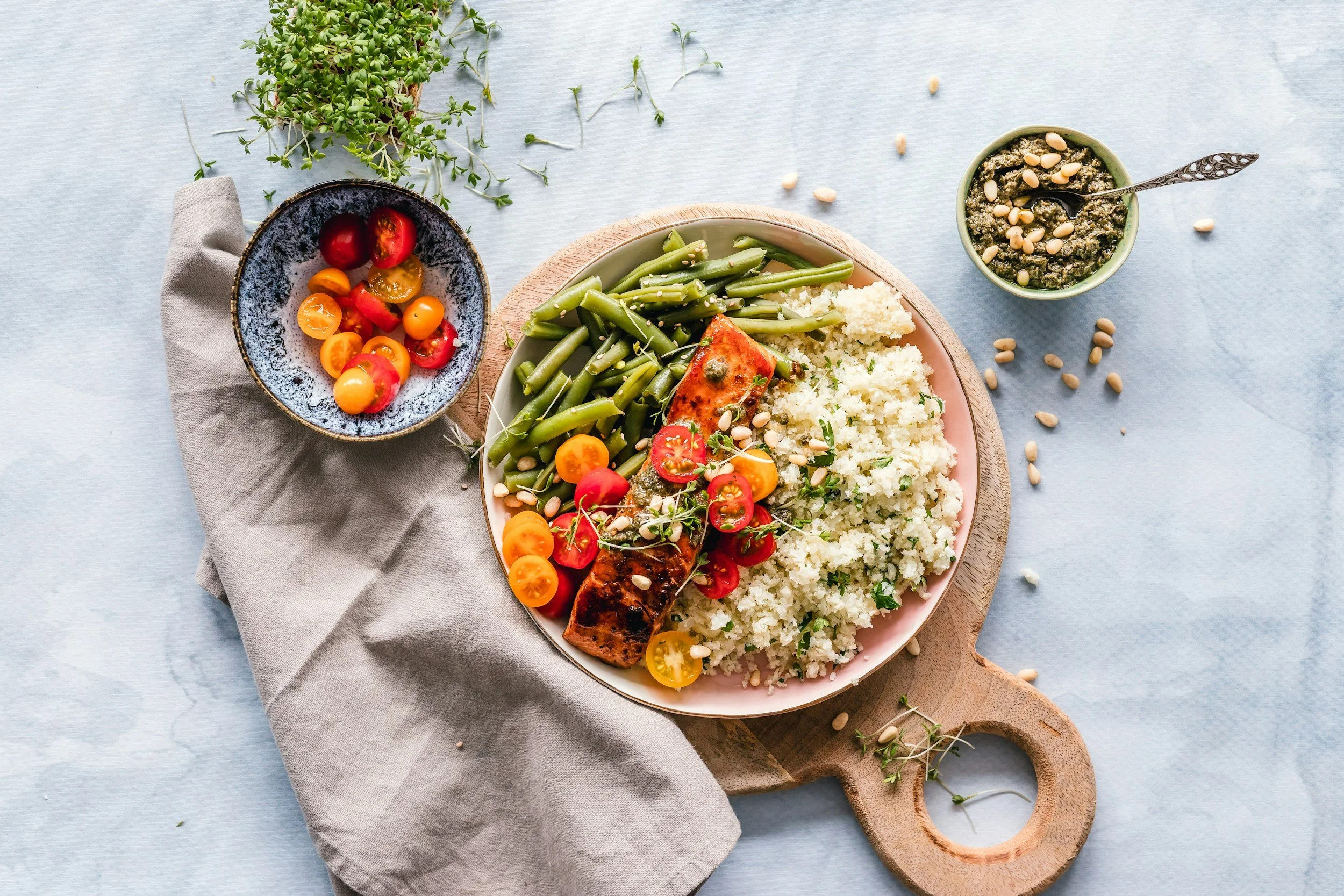
There is no one size fits all approach to fertility nutrition. A fertility dietitian assesses your individual dietary intake, health history, and any underlying conditions to build a plan specific to your needs and goals.
Conditions such as PCOS, hypothalamic amenorrhoea, endometriosis, thyroid dysfunction, and insulin resistance can all impact fertility. A fertility dietitian can provide targeted nutrition strategies to support these conditions alongside your medical care.
The supplement market is overwhelming. A fertility dietitian can help identify which supplements are evidence-based and appropriate for your individual situation, and which may be unnecessary or even contraindicated. Supplement needs vary significantly between individuals and are best guided by blood results and clinical assessment.3
Nutritional status has been associated with IVF outcomes. Multiple micronutrients and antioxidants have been shown to support live birth rates in women undergoing assisted reproductive technology.4 A fertility dietitian can support you through each phase of treatment.
Many women of reproductive age have suboptimal intakes of key fertility nutrients without knowing it. A dietitian can review your diet and bloodwork to identify any gaps and address them before they affect reproductive outcomes.1,2
The following nutrients play important roles in supporting reproductive health. Individual requirements vary, which is why personalised assessment is recommended.1,2,5
| 01 | Folate Supports DNA synthesis, egg development, and is essential for neural tube formation in early pregnancy.1,7,9 Food sources: leafy greens, legumes, fortified foods |
| 02 | Vitamin D Receptors found in the ovaries and uterus; supports egg quality, hormonal regulation, and uterine function.1,7 Food sources: oily fish, eggs, fortified foods, sun exposure |
| 03 | Iron Supports ovulation; deficiency is common in women of reproductive age and can affect menstrual regularity and fertility.2,8 Food sources: red meat, legumes, tofu, leafy greens |
| 04 | Vitamin B12 Involved in DNA methylation and cell replication; low levels may affect egg maturation and embryo development.6 Food sources: meat, fish, eggs, dairy, fortified foods |
| 05 | Iodine Needed to make thyroid hormones, which regulate ovulation; even mild deficiency in the preconception period can impact reproductive health.3,5 Food sources: dairy, seafood, iodised salt, eggs |
| 06 | Choline Supports cell membrane function and early fetal brain development; often under-consumed in women who do not eat eggs regularly.3 Food sources: eggs, meat, fish, legumes, dairy |
| 07 | Omega-3 Fatty Acids Reduce inflammation and support hormone signalling; DHA is important for early fetal brain and eye development.1,7,9 Food sources: oily fish (salmon, sardines), walnuts, flaxseeds |
| 08 | Calcium Important for bone health during the preconception period; frequently below recommended levels in women of reproductive age.3 Food sources: dairy, fortified plant milks, leafy greens, tofu, sardines |
| 09 | Zinc Involved in egg maturation, ovulation, and sperm quality; low levels have been linked to hormonal imbalances and impaired reproductive function.1,5 Food sources: meat, shellfish, legumes, nuts, seeds |
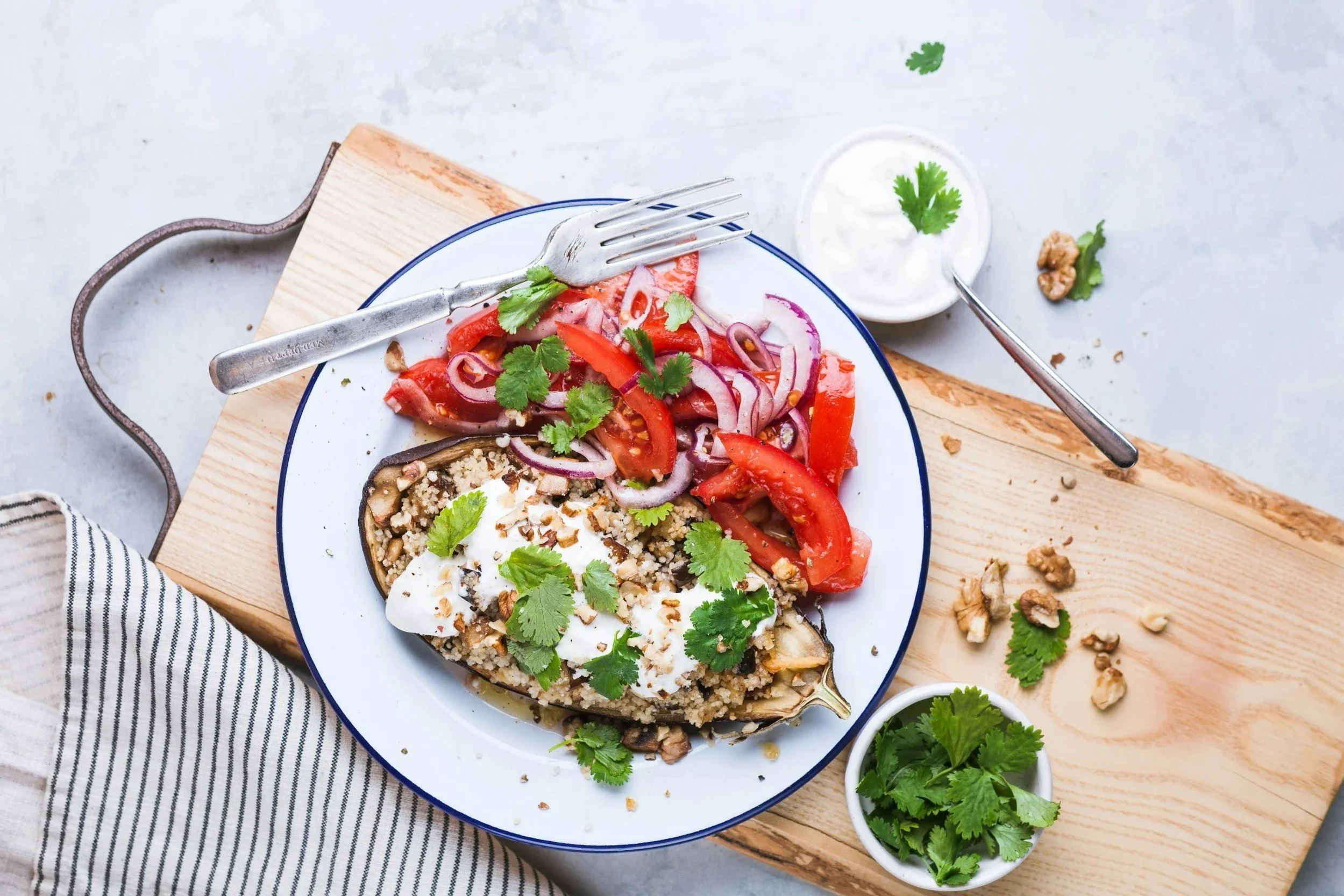
Nutrition plays a key role in supporting reproductive health and optimising fertility outcomes. The preconception period provides a window of opportunity to optimise nutritional status ahead of conception. Working with a fertility dietitian can help take the guesswork out of nutrition and build a personalised plan around your individual health picture.
Wanting personalised nutrition support for your fertility and preconception health?
Book a Free Discovery CallPersonalised dietitian support for fertility and women's health. Calgary and online.
References
1. Mashhadi F, et al. Nutritional interventions for enhancing female fertility: a comprehensive review of micronutrients and their impact. Nursing Research and Practice. 2025. PMC12343174
2. Shukla S, Shrivastava D. Nutritional deficiencies and subfertility: a comprehensive review of current evidence. Cureus. 2024;16(8):e66477. PMID: 39246987
3. Finkelstein JL, et al. International expert consensus on micronutrient supplement use during the early life course. BMC Pregnancy and Childbirth. 2025. PMID: 39833730. PMC11744953
4. Alrashidi AS, et al. The effect of nutrient supplementation on female fertility: a systematic review. Cureus. 2024;16(8):e67028. PMC11402477
5. Causal associations of circulating micronutrients with the risk of infertility: a Mendelian randomization study. PMC. 2025. PMC12567636
6. Vitamin B12 and reproductive health: clinical insights, emerging mechanistic understanding, and nutritional aspects. PMC. 2026. PMC12917936
7. Skoracka K, et al. Female fertility and the nutritional approach: the most essential aspects. Advances in Nutrition. 2021;12(6):2372-2386. PMC8634384
8. Chavarro JE, et al. Diet and lifestyle in the prevention of ovulatory disorder infertility. Obstetrics and Gynecology. 2007;110(5):1050-1058. PMID: 17978119
9. Gaskins AJ, Chavarro JE. Diet and fertility: a review. American Journal of Obstetrics and Gynecology. 2018;218(4):379-389. PMID: 29390148