Are dairy and gluten really inflammatory? What the evidence actually says
Dairy and gluten are two of the most avoided food groups in the wellness space. Cutting them out has become almost a default recommendation online, often framed around the idea that both are inflammatory. It is a claim that sounds convincing, and for some people it sticks. But the evidence does not support blanket avoidance for most people. This post breaks down what dairy and gluten actually are, the specific conditions where avoidance is genuinely necessary, and why the type of food within each category often matters far more than the category itself.
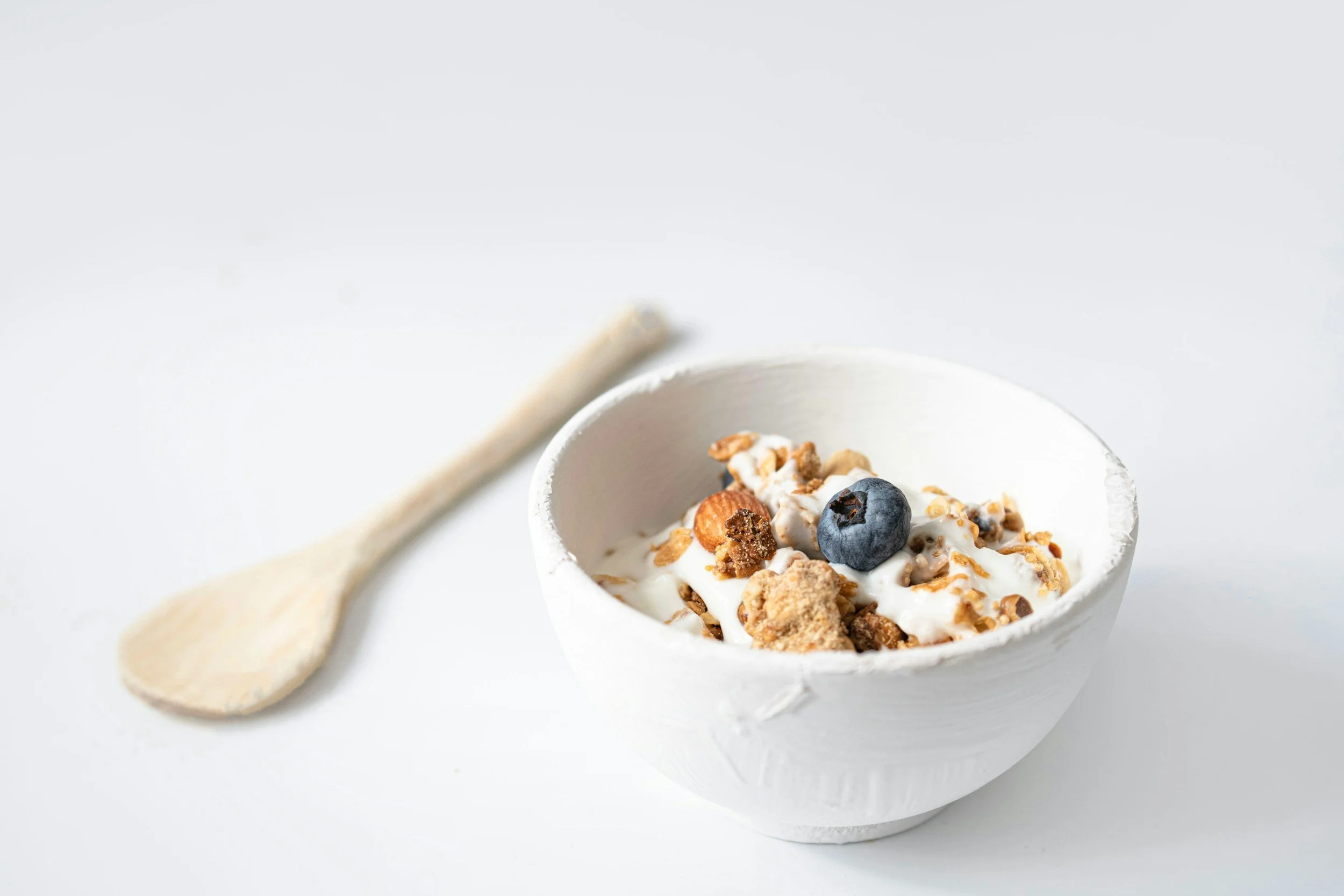
Gluten is a protein found naturally in certain grains. It is made up of two smaller proteins, gliadin and glutenin, which give bread and baked goods their characteristic chewy texture. Gluten is found in wheat, barley, rye, and spelt.
Dairy refers to products made from animal milk, most commonly cow's milk. This includes milk, yoghurt, Greek yoghurt, cheese, cottage cheese, cream, butter, and ice cream.
Both have two key components: a protein part and a carbohydrate part. Which one is involved in a reaction matters a great deal.
In dairy, the proteins are casein and whey. The carbohydrate is lactose, the sugar naturally found in milk.
In wheat and related grains, gluten is the protein. The carbohydrate component is fructans, a type of fermentable fibre also found in onion and garlic. Fructans and gluten are very different things. When someone notices a reaction to wheat, it is not always the gluten that is the cause.
There are two conditions where dietary avoidance is medically necessary. Both involve reactions to the protein components, a genuine immune response, and require proper clinical diagnosis and management.
Coeliac disease is an autoimmune condition in which the immune system reacts to gliadin, the protein component of gluten. This triggers an inflammatory response that damages the intestinal lining and impairs nutrient absorption. Strict, lifelong gluten avoidance is the only current treatment, requiring ongoing medical and dietitian support.
Milk protein allergy involves an immune reaction to casein or whey, the protein components of dairy. It is most common in infants and young children and requires dairy protein avoidance under the guidance of a healthcare team.
Both are distinct clinical diagnoses, and not a reason for the general population to avoid dairy or gluten.
Some people experience gut symptoms with dairy or wheat foods without having an allergy or autoimmune condition. These reactions are real, but they do not cause inflammation or damage to the gut.
Lactose intolerance occurs when the body does not produce enough lactase to digest lactose, the carbohydrate in dairy. Undigested lactose ferments in the large intestine, causing bloating, cramping, and diarrhoea. No immune response, no gut damage.
Fructan sensitivity is another frequently misunderstood issue. Fructans are fermentable carbohydrates in wheat, onion, garlic, and other foods. In people with a sensitive gut or IBS, they can cause significant bloating, abdominal pain, and altered bowel habits. A landmark study found that in people who believed they were gluten sensitive, it was actually fructans driving their symptoms, not gluten protein.1
The distinction matters. An intolerance causes gut discomfort. An autoimmune condition like coeliac disease causes immune-mediated intestinal damage. They require very different responses.
If you are experiencing gut symptoms with dairy or wheat foods, those symptoms are worth taking seriously. Working with a dietitian can help identify what is actually driving them, so any changes are targeted rather than a blanket elimination.
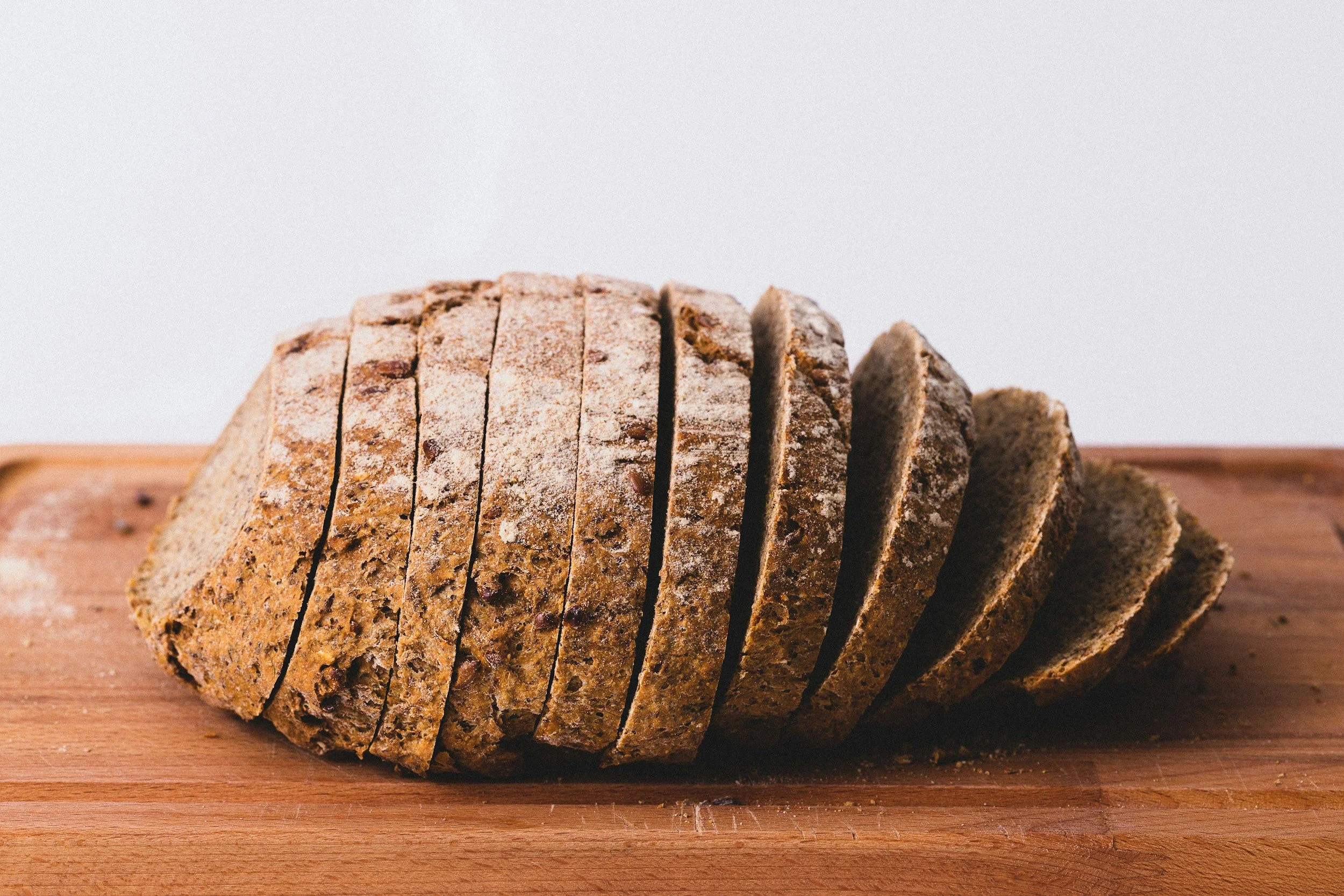
Dairy is not a single food. There is a wide spectrum, and the type makes a meaningful difference nutritionally.
Higher protein, higher nutrient options include Greek yoghurt, kefir, milk, cottage cheese, and hard cheese. These are rich in protein and calcium. Protein helps support blood sugar balance, which in turn supports the body's inflammatory response. Greek yoghurt and kefir also contain live cultures that benefit gut microbiome health.2
At the other end, butter, cream, and ice cream are higher in saturated fat and provide little to no protein or calcium. They are not nutritionally equivalent to milk or yoghurt. That said, all foods can be part of a balanced diet, and what we are having most of the time is what matters most.
The research is also reassuring: systematic reviews have not found dairy to be pro-inflammatory in healthy adults, and fermented dairy in particular is associated with beneficial effects on gut microbiome composition.2 The type of dairy matters far more than the category itself.
The same principle applies to grains. Wholegrains sit at one end of a broad spectrum, and highly refined grain products sit at the other. The gluten content may be similar, but the nutritional picture is very different.
Barley is one of the standout wholegrain options and one of the richest dietary sources of beta-glucan, a soluble fibre with strong evidence for cholesterol reduction, blood glucose regulation, and gut microbiome health.3 Wholemeal bread, rolled oats, rye, spelt, farro, and freekeh also offer meaningful fibre, B vitamins, iron, and a broad range of micronutrients.
Authentic sourdough is worth a mention. Traditional long fermentation partially breaks down fructans, making it better tolerated by people with fructan sensitivity, and it produces a lower glycaemic response than conventional bread.
White bread, pastries, and highly processed grain products offer far less fibre, B vitamins, and micronutrients. Wholegrains are associated with reduced risk of cardiovascular disease, type 2 diabetes, and colorectal cancer.3 All foods can fit within a balanced diet. The overall pattern and what we eat most of the time is where the meaningful impact lies.
Interestingly, both dairy and foods containing gluten form part of the Mediterranean dietary pattern, one of the most robustly researched dietary approaches in nutritional science. The Mediterranean diet includes dairy, particularly yoghurt and cheese, as well as wholegrains, legumes, vegetables, fruit, olive oil, and fish. It is not free from dairy or grains.
The evidence base for the Mediterranean diet is substantial. It is associated with:4
Reduced cardiovascular disease risk. The PREDIMED trial demonstrated a significant reduction in major cardiovascular events in those following a Mediterranean diet supplemented with extra virgin olive oil or nuts.
Lower levels of inflammatory markers. The overall pattern of polyphenols, fibre, healthy fats, and antioxidants works collectively to support reduced inflammation in the body.
Improved gut microbiome diversity. The fibre and polyphenol content of a Mediterranean style diet supports a diverse and healthy gut microbiome, which has downstream effects on immunity, mood, and metabolic health.
Reduced risk of type 2 diabetes and all cause mortality. Multiple large studies and meta-analyses support the protective effect of this dietary pattern across multiple health outcomes.
Dairy and wholegrains are part of what makes the Mediterranean diet work. Removing them does not make the pattern healthier. What matters is which types of these foods are included and how they sit within the overall dietary pattern.
The conversation around dairy and gluten is worth having with nuance. For most people, the question is not whether to include these foods, but which versions to lean toward and how they fit within a broader eating pattern.
For those wanting to reduce or avoid dairy or gluten for personal preference, a dietitian can help to identify any common nutritional gaps that may arise, particularly around calcium and fibre, and support you in meeting those needs through other foods.
Want to Know What Works for You Specifically?
Navigating dairy, gluten, gut symptoms, and the noise around elimination diets is much easier with personalised support. Nula Nutrition provides evidence based registered dietitian consultations for women's health in Calgary and online across Alberta, including Canmore, Banff, Edmonton, and Cochrane.
Looking for evidence based nutrition support tailored to you?
Book a Free Discovery CallWritten by Madison Hows RD APD
References
1. Skodje GI, et al. Fructan, rather than gluten, induces symptoms in patients with self-reported non-celiac gluten sensitivity. Gastroenterology. 2018;154(3):529–539. PMID: 29102613
2. Wastyk HC, et al. Gut-microbiota-targeted diets modulate human immune status. Cell. 2021;184(16):4137–4153. PMID: 34256014
3. Reynolds A, et al. Carbohydrate quality and human health: a series of systematic reviews and meta-analyses. Lancet. 2019;393(10170):434–445. PMID: 30638909
4. Estruch R, et al. Primary prevention of cardiovascular disease with a Mediterranean diet supplemented with extra virgin olive oil or nuts. New England Journal of Medicine. 2018;378:e34. PMID: 29897866