9 Fertility friendly foods
When it comes to fertility, there is no single best food to eat. What matters most is the overall dietary pattern: the combination of foods eaten regularly over time. A diet rich in whole foods, healthy fats, and plenty of plants is consistently associated with better reproductive outcomes for both women and men.1,2
A helpful way to approach this is to focus on what to add to the plate, rather than what to take away. The foods below are a practical starting point.
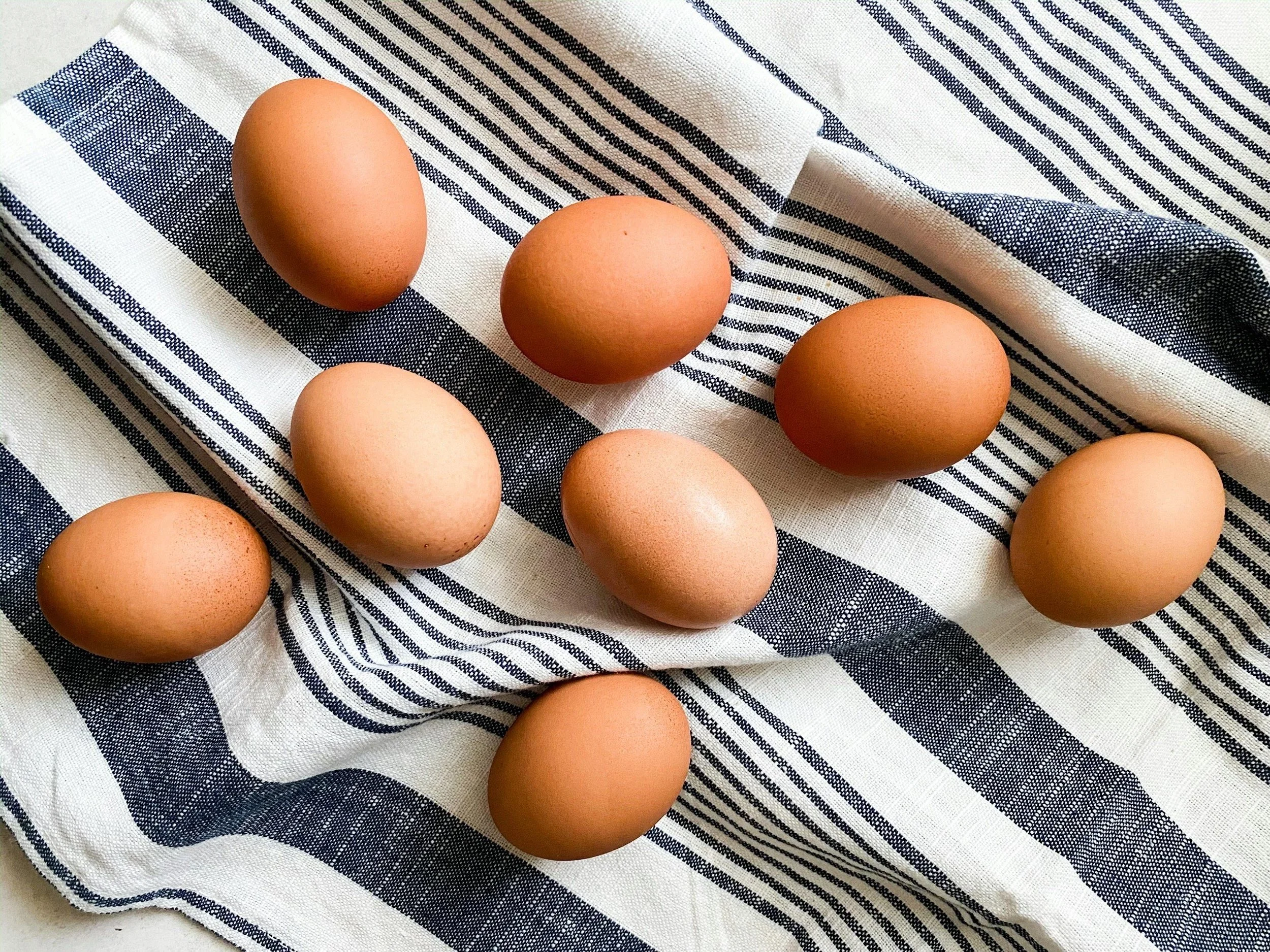
Eggs provide protein, vitamin D, B12, zinc, and choline. Choline is essential for early fetal brain development and is often absent from prenatal supplements. The yolk is where most of these nutrients are found, so whole eggs are most beneficial.1,4
Serving idea: Eggs, tomato and spinach on toast
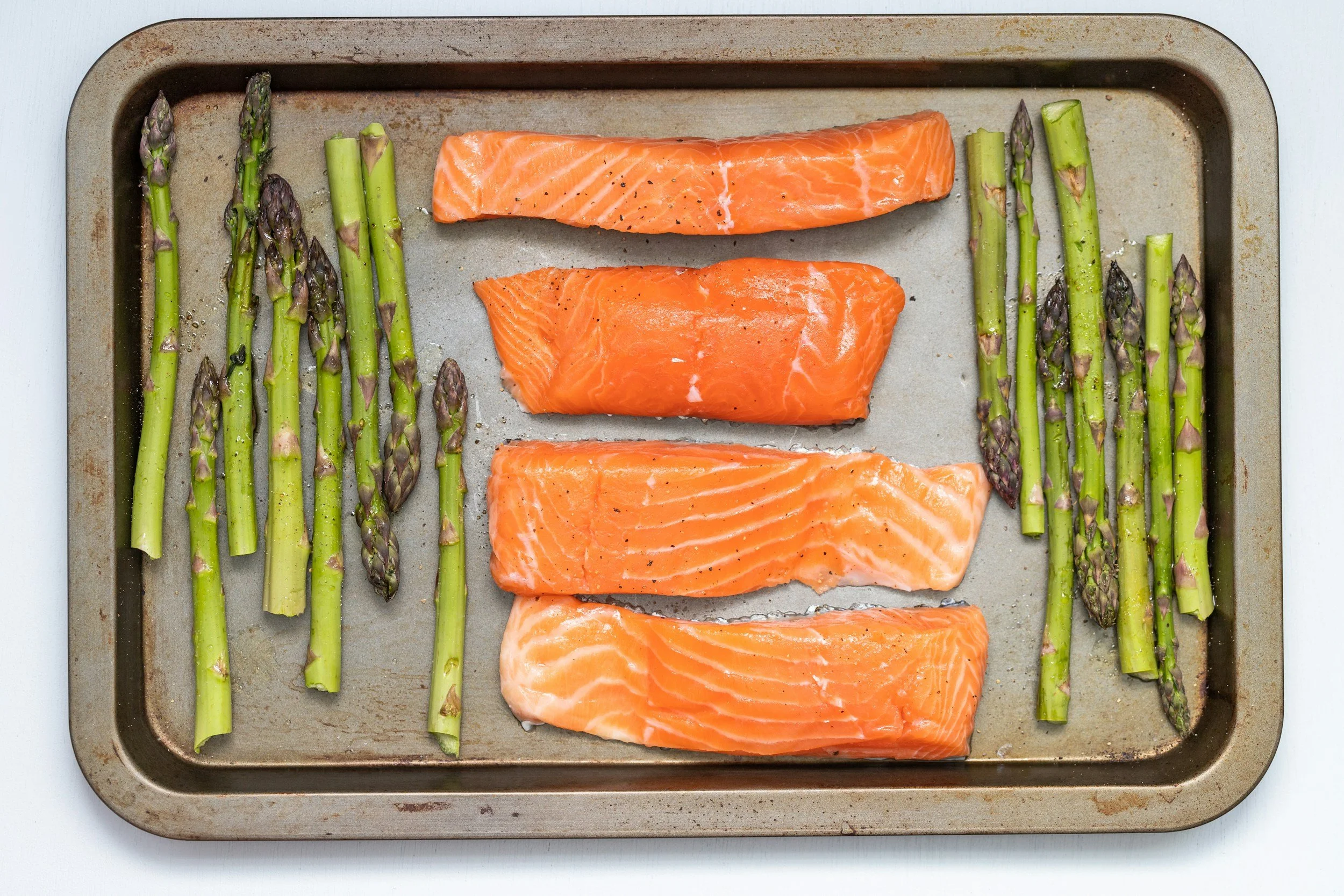
Oily fish are the richest dietary source of omega 3 fatty acids, which support hormone signalling, reduce inflammation, and support egg quality. DHA is also important for early fetal brain development. Aiming for 2 to 3 serves per week covers most preconception needs.2,3
Examples: salmon, sardines, mackerel, trout, anchovies
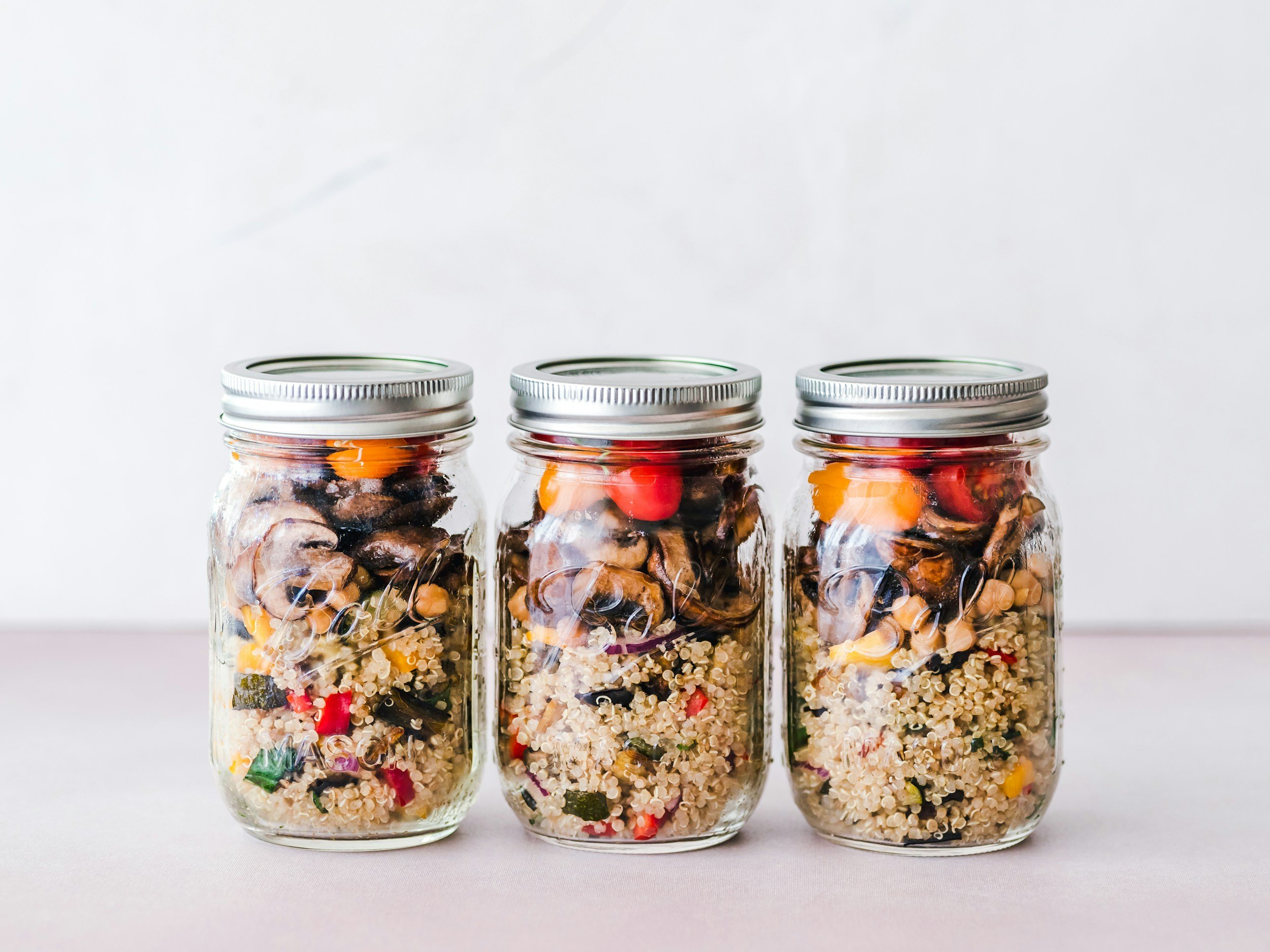
Wholegrains provide fibre and B vitamins and support more stable blood sugar levels. Blood sugar balance is closely linked to ovulatory function and hormonal regulation, making wholegrains particularly relevant for those managing PMOS or insulin resistance.2,5
Examples: oats, quinoa, brown rice, barley, wholegrain bread, buckwheat
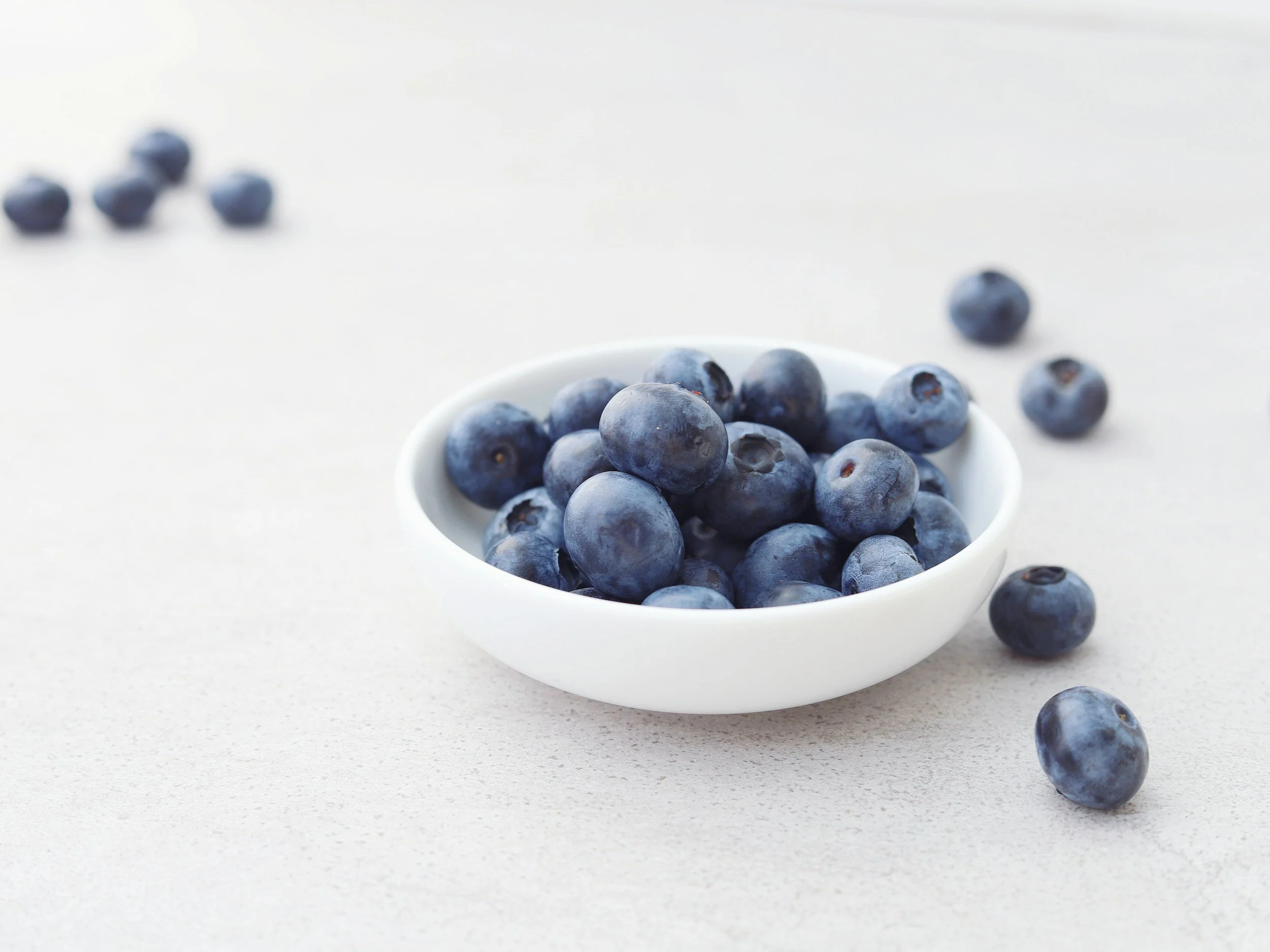
Berries are rich in polyphenols with anti-inflammatory properties, and also provide vitamin C, folate, and fibre. Antioxidants help protect eggs from oxidative stress, a known contributor to impaired egg quality.1,3
Examples: blueberries, strawberries, raspberries, blackberries, blackcurrants
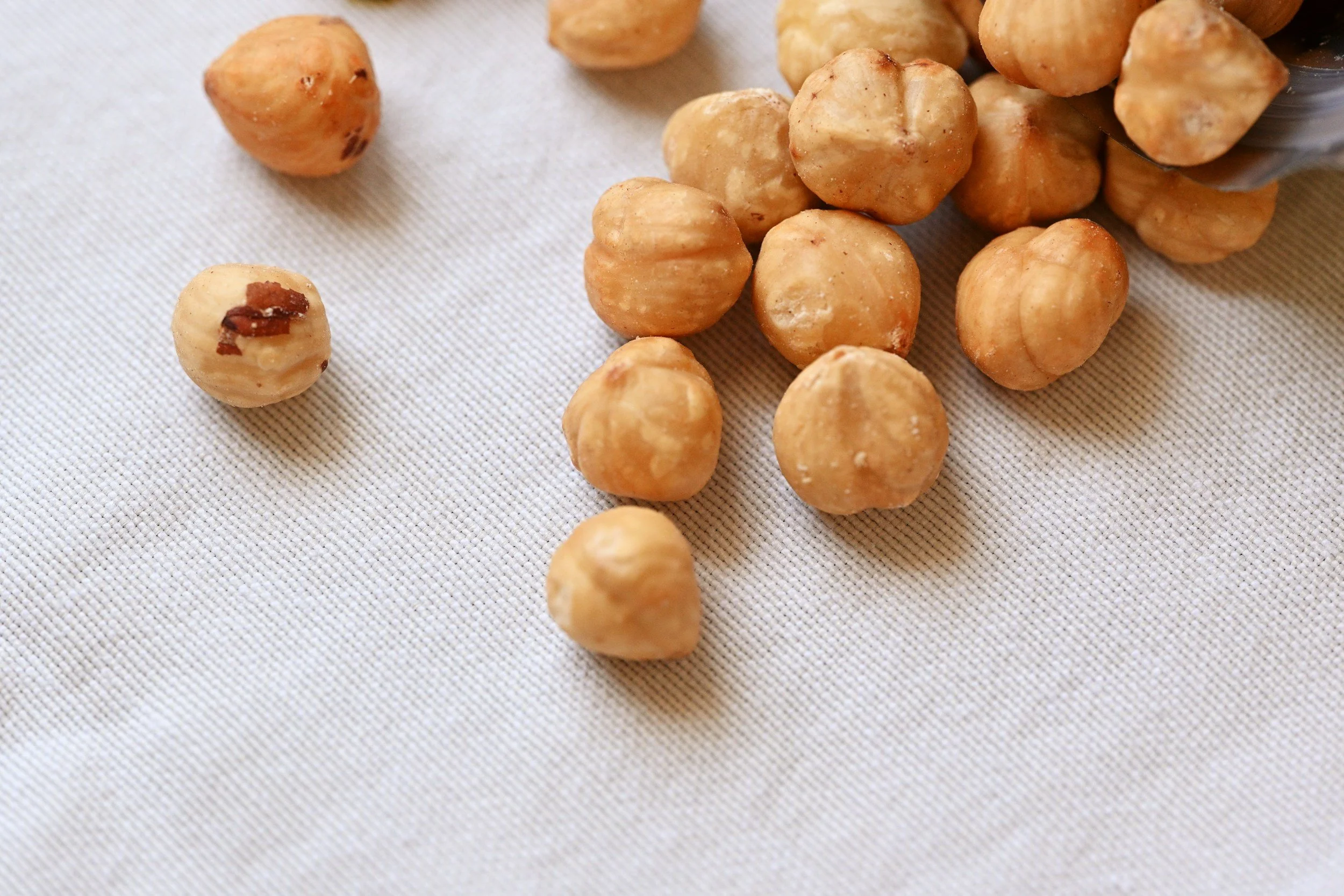
Nuts provide healthy fats, protein, vitamin E, zinc, and selenium, all of which support egg quality, thyroid function, and hormone production. Walnuts are a good plant based source of omega 3 fatty acids. Brazil nuts are one of the richest dietary sources of selenium, important for thyroid function and reproductive health.1,3
Examples: walnuts, almonds, cashews, Brazil nuts, pistachios
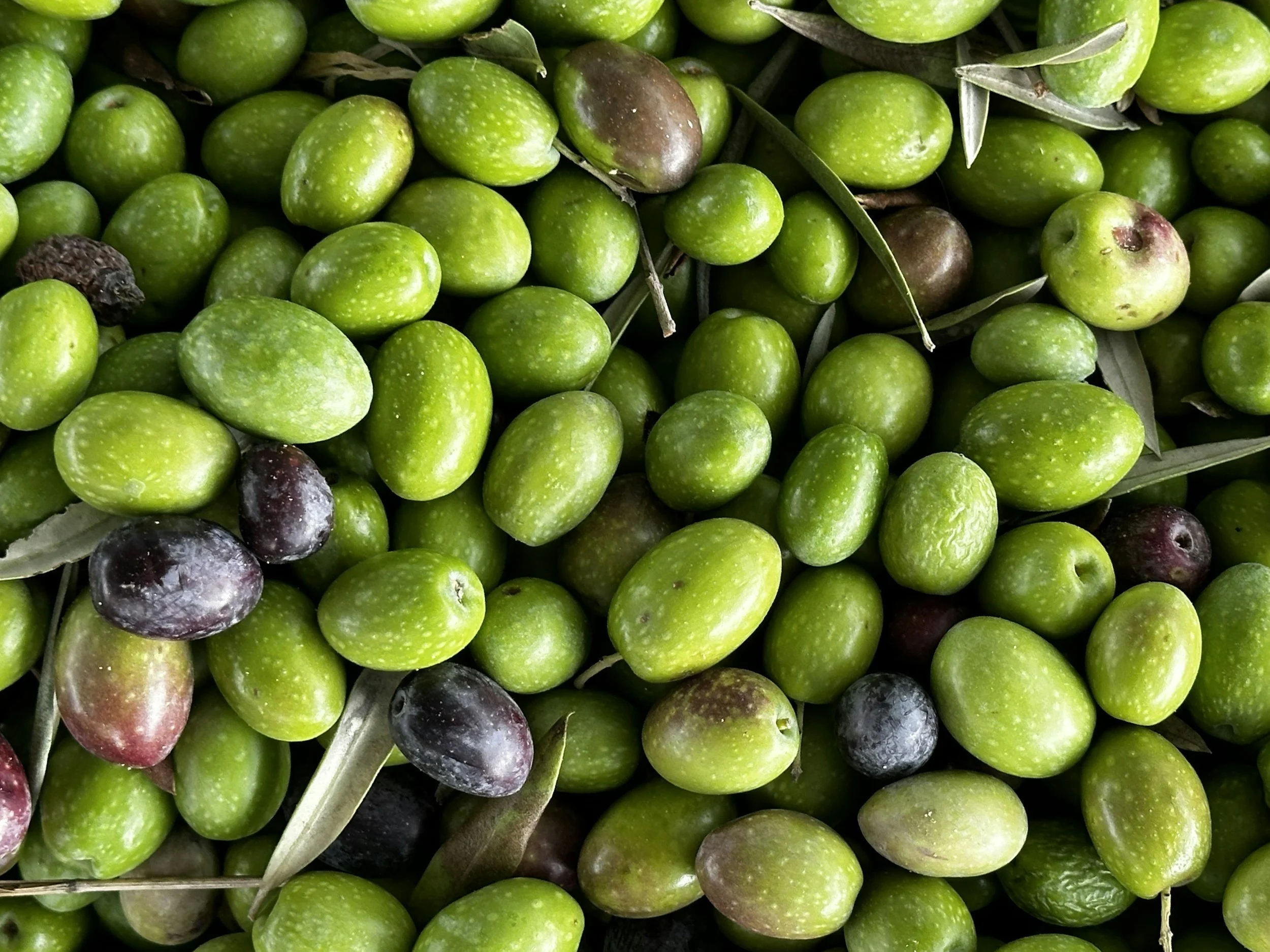
Extra virgin olive oil is the primary fat in the Mediterranean diet, one of the most studied dietary patterns for fertility. It is rich in anti-inflammatory compounds and monounsaturated fats associated with improved ovulatory function. A simple addition to most meals.2,3
Use for: cooking, salad dressings, drizzled over vegetables or legumes
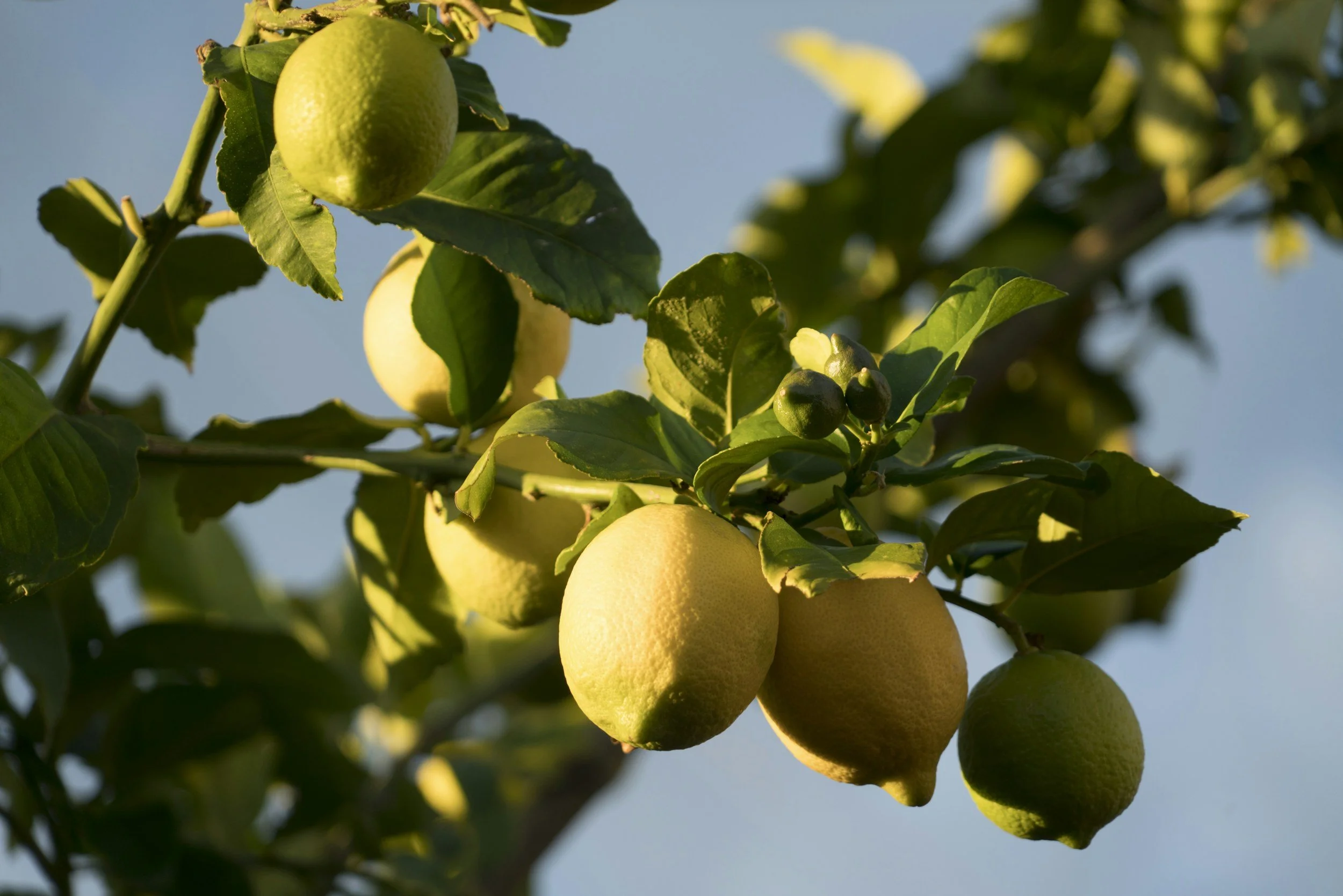
Citrus is a good source of vitamin C, which acts as an antioxidant and supports iron absorption from plant based foods. Pairing citrus with iron rich plant foods such as legumes or leafy greens is a practical way to improve iron uptake. Vitamin C has also been associated with improved luteal phase function.1,3
Examples: oranges, grapefruit, mandarins, lemon, lime, kiwifruit
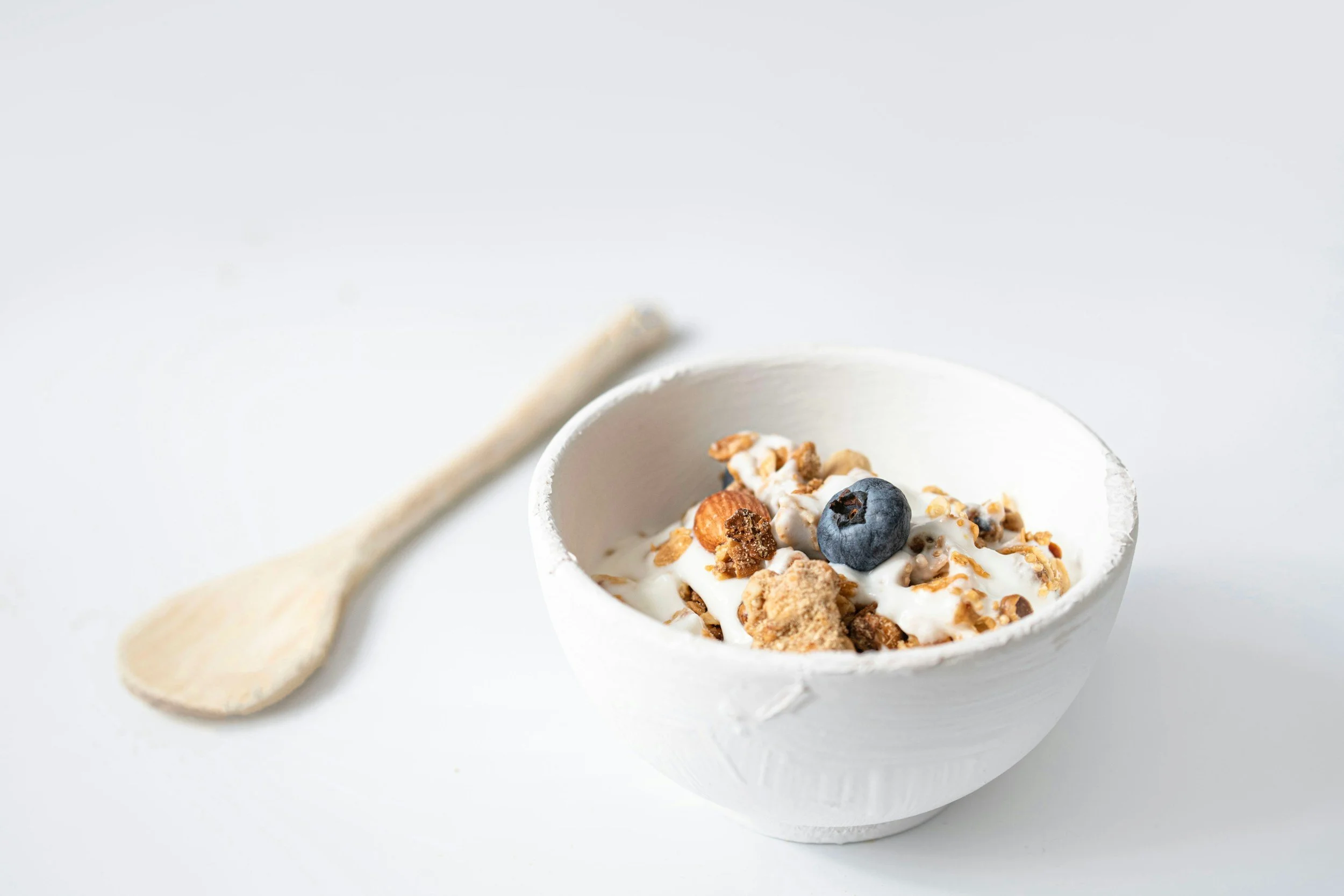
Higher intake of full fat dairy has been associated with a lower risk of ovulatory infertility, while low fat dairy showed the opposite association.5 Full fat dairy also provides calcium, iodine, vitamin D, and B12. Individual context matters, and suitability varies from person to person.
Examples: full fat yoghurt, whole milk, full fat cheese
Ready to Get Nutrition Support?
Fertility nutrition is not about following a rigid list of foods or taking every supplement on the shelf. It is about building a dietary pattern that supports reproductive health over time, tailored to individual needs and goals. Nula Nutrition offers 1:1 registered dietitian consultations for preconception health, fertility nutrition, and women's health in Calgary and online across Alberta.
For further reading: Why See a Dietitian for Fertility and How They Can Help
Seeking evidence-based preconception nutrition support in Calgary or across Alberta?
Book a Free Discovery Call
References
1. Mashhadi F, et al. Nutritional interventions for enhancing female fertility: a comprehensive review of micronutrients and their impact. Nursing Research and Practice. 2025. PMC12343174
2. Gaskins AJ, Chavarro JE. Diet and fertility: a review. American Journal of Obstetrics and Gynecology. 2018;218(4):379–389. PMID: 28844822
3. Skoracka K, et al. Female fertility and the nutritional approach: the most essential aspects. Advances in Nutrition. 2021;12(6):2372–2386. PMC8634384
4. Finkelstein JL, et al. International expert consensus on micronutrient supplement use during the early life course. BMC Pregnancy and Childbirth. 2025. PMC11744953
5. Chavarro JE, et al. A prospective study of dairy foods intake and anovulatory infertility. Human Reproduction. 2007;22(5):1340–1347. PMID: 17329264
Written by Madison Hows RD APD