Can ginger support endometriosis symptom management?
Ginger has been used for centuries as both a culinary spice and a natural remedy, and there is a growing body of research to support several of its health benefits. For people managing endometriosis, ginger is worth knowing about. It has been studied for period pain, nausea and constipation. These are all symptoms commonly experienced alongside endo.
Here is a closer look at what the evidence says.
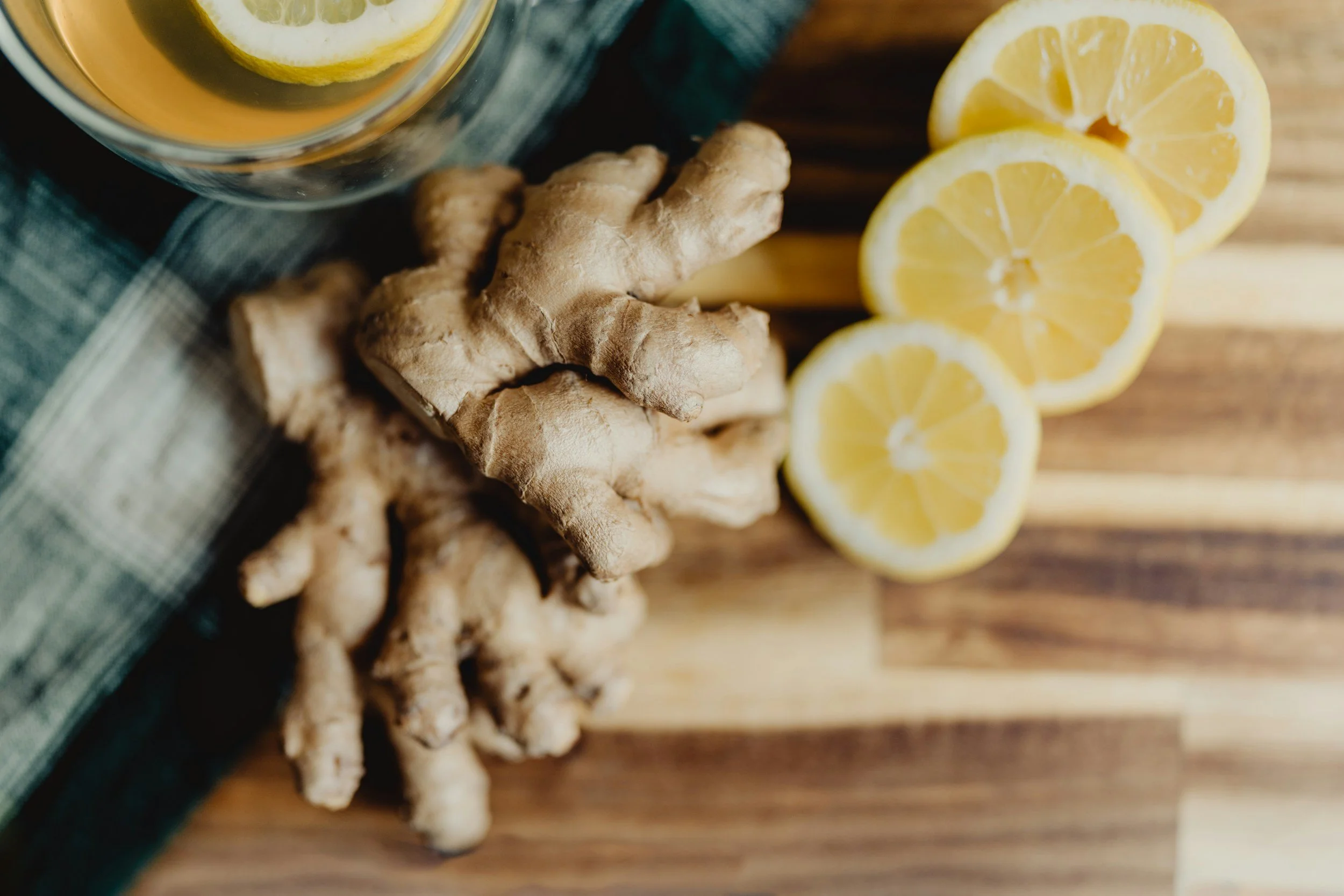
A 2016 systematic review and meta analysis found that oral ginger performed comparably to nonsteroidal anti-inflammatory medication for period pain in women with primary dysmenorrhea.1
It is worth noting that the research has largely been conducted in people with primary dysmenorrhea rather than endometriosis specifically, and more studies in endo populations are needed. That said, period pain is a significant and frequently reported symptom of endometriosis, and the anti-inflammatory mechanisms behind ginger's effect on pain make it a reasonable addition to a broader management plan.
Nausea is one of the more well known and well studied uses for ginger. It is commonly experienced during periods and can also be a side effect of some hormonal medications used to manage endometriosis. Ginger works on the digestive tract and the central nervous system to help ease nausea, and it is one of the more evidence based natural options available for this symptom.2
Ginger tea, ginger-infused water, or small amounts added to food throughout the day are practical ways to include it when nausea is a concern.
Gut symptoms including bloating, constipation, and cramping are extremely common in people with endometriosis, particularly when endo is present on or near the bowel. Ginger has been shown to support gastric motility, meaning the movement of food through the digestive tract, which may help with slower digestion and constipation.2
While it is not a substitute for a dietary approach to gut health, adding ginger to meals or drinks is a simple step that may provide some comfort alongside other strategies.
Ginger contains active polyphenols including gingerols and shogaols, which have antioxidant and anti-inflammatory properties. Endometriosis is characterised by chronic inflammation, and research supports the role of overall dietary patterns in helping to manage this. No single food drives inflammation on its own. It is the pattern that matters.
A Mediterranean style dietary pattern is one of the most researched in this space. Ginger, as part of an overall anti-inflammatory pattern of eating, can be a helpful ingredient to support inflammation management.1,2
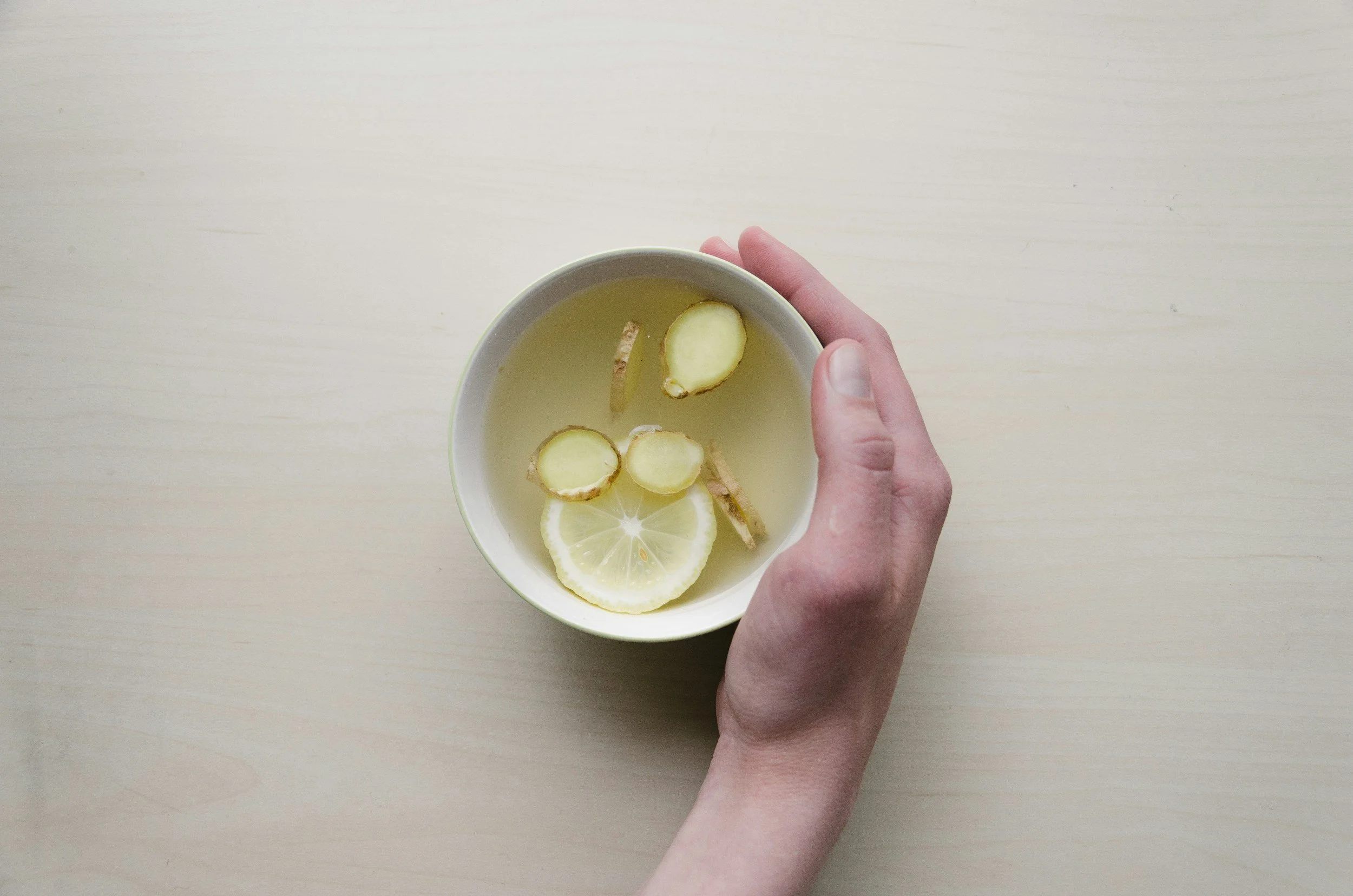
One of the best things about ginger is how versatile it is. Fresh ginger can be grated into stir fries, soups, and curries. Dried ginger works well in baking and spice blends. Ginger tea made with fresh ginger steeped in hot water with lemon is a simple and soothing option, particularly during a difficult cycle.
Try it in: tea, smoothies, stir-fries, soups, muffins, energy balls, or golden milk
Written by Madison Hows RD APD
References
1. Chen CX, Barrett B, Kwekkeboom KL. Efficacy of oral ginger (Zingiber officinale) for dysmenorrhea: a systematic review and meta-analysis. Evidence-Based Complementary and Alternative Medicine. 2016;2016:6295737. PMC4871956
2. Nikkhah Bodagh M, Maleki I, Hekmatdoost A. Ginger in gastrointestinal disorders: a systematic review of clinical trials. Food Science and Nutrition. 2018;7(1):96–108. PMC6341159